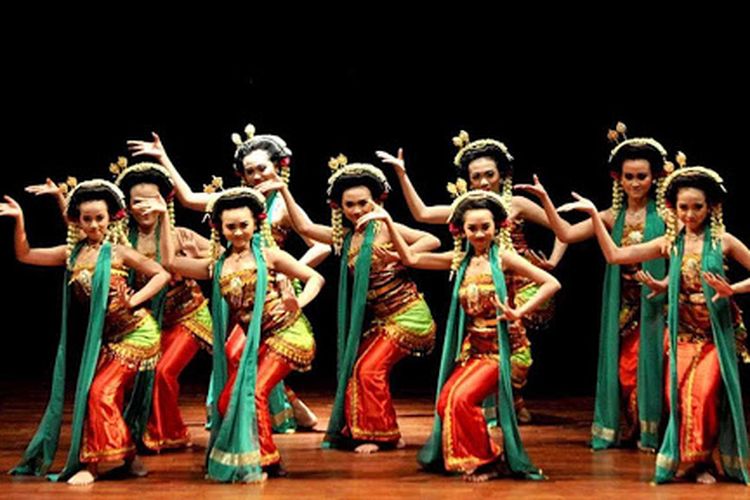
Unveiling the Rich History and Origins of Jaipong Dance
Jaipong, a vibrant and captivating dance form, holds a special place in the hearts of the people of West Java, Indonesia. Known for its rhythmic movements, intricate hand gestures, and energetic music, Jaipong dance is a cultural treasure that has transcended time and boundaries. In this article, we embark on a journey to explore the enigmatic origins of Jaipong, shedding light on the rich history and cultural significance of this mesmerizing art form.
1. The Birth of Jaipong: A Fusion of Traditions
Jaipong dance is believed to have originated in the Sundanese communities of West Java, Indonesia, in the late 1960s. Its creation is often attributed to the talented artist H. Suanda, who is said to have drawn inspiration from a range of traditional dance forms, including Srimpi, Ketuk Tilu, and Tari Topeng. With a desire to create something unique and vibrant, Suanda fused elements from these traditional dances, along with influences from West Javanese folk dances, into what would become Jaipong.
2. The Name Jaipong: A Symbolic Coinage
The name "Jaipong" itself is a portmanteau of two words: "Jai" and "Pong." "Jai" is thought to be derived from the Sundanese word "jahe," meaning ginger, which is believed to symbolize the dance's fiery and dynamic nature. "Pong" may have been inspired by the sound of a metal plate striking a surface, signifying the rhythmic beats that are integral to Jaipong dance.
3. A Revolution in Traditional Dance
Jaipong was a revolutionary departure from the more traditional Sundanese dance forms. It broke free from the rigid conventions of classical dance, introducing improvisation, expressive movements, and a greater emphasis on sensuality. This transformation resonated with the younger generation, leading to Jaipong's widespread popularity.
4. The Role of Kembang Gadung
The village of Kembang Gadung in West Java played a pivotal role in the development and popularization of Jaipong dance. It became a breeding ground for Jaipong artists and choreographers, nurturing the talents of both dancers and musicians. The emergence of Kembang Gadung as a cultural hub helped solidify Jaipong's place in the region's artistic landscape.
5. Jaipong's Musical Accompaniment: The Gamelan Ensemble
Jaipong dance is inseparable from its musical accompaniment, known as the Gamelan ensemble. The Gamelan ensemble consists of a variety of traditional Indonesian musical instruments, including the kendang (drum), suling (flute), rebab (stringed instrument), and gong. The rhythmic interplay between the dancers and musicians creates the distinctive soundscape that defines Jaipong.
6. Evolution and Modernization
Over the years, Jaipong has evolved and adapted to changing cultural norms and preferences. While it maintains its core elements, modern Jaipong often incorporates contemporary themes and costumes. The dance has also gained international recognition, with performances at cultural festivals and events around the world.
7. Cultural Significance and Preservation
Jaipong is not just a form of entertainment; it carries deep cultural significance for the Sundanese people. It is often performed at significant life events, such as weddings and harvest festivals, where it serves as a symbol of joy and community. Efforts are being made to preserve and promote Jaipong as part of Indonesia's cultural heritage.
8. The Global Influence of Jaipong
Jaipong's infectious energy and expressive movements have transcended borders and influenced other dance forms and genres. Its impact can be seen in contemporary Indonesian pop music, as well as in the broader world of dance, where its elements have inspired choreographers and performers worldwide.
9. Challenges and Revival
In recent years, Jaipong has faced challenges in maintaining its authenticity and popularity in the face of globalization and changing cultural tastes. However, there are ongoing efforts by cultural organizations, artists, and enthusiasts to revitalize and ensure the continued existence of Jaipong as a vibrant and cherished part of Indonesia's cultural heritage.
10. A Timeless Treasure
In conclusion, Jaipong dance is a testament to the creativity and dynamism of Indonesian culture. Its origins may be relatively recent, but its impact has been profound, both within Indonesia and on the global stage. As a fusion of traditions, a symbol of cultural pride, and a celebration of life's joys, Jaipong dance continues to mesmerize audiences and inspire new generations of artists. It stands as a timeless treasure that embodies the spirit and vitality of West Java's cultural heritage.
Tidak ada komentar:
Posting Komentar