Jumat, 15 September 2023

Exploring the Hidden Gem: 7 Fascinating Facts About Gili Iyang Island

 Indonesia is home to a myriad of picturesque islands, each offering a unique blend of natural beauty and cultural charm. Among these gems, Gili Iyang Island stands out as a true hidden paradise. Nestled in the Java Sea off the coast of East Java, this remote island remains relatively undiscovered by mainstream tourism, making it a tranquil haven for those seeking an off-the-beaten-path adventure. In this article, we'll delve into seven intriguing facts about Gili Iyang Island that make it a must-visit destination for travelers seeking serenity and natural beauty.


1. The Unspoiled Paradise

Gili Iyang Island is a testament to unspoiled natural beauty. Unlike some of the more developed tourist destinations in Indonesia, Gili Iyang retains its pristine landscapes, with crystal-clear waters, white sandy beaches, and lush greenery. The island offers a serene and idyllic escape for nature lovers and those seeking tranquility away from the hustle and bustle of city life.

2. A Part of the Gili Islands

The name "Gili" translates to "small island" in the Sasak language, and Gili Iyang is indeed one of the Gili Islands. However, it's important to note that Gili Iyang is relatively lesser-known compared to its famous counterparts like Gili Trawangan, Gili Air, and Gili Meno, which are located further to the east, near Lombok. The relatively undiscovered nature of Gili Iyang adds to its allure.

3. Rich Marine Biodiversity

Gili Iyang is a paradise for snorkeling and diving enthusiasts. The surrounding waters are teeming with a vibrant underwater ecosystem, boasting a kaleidoscope of colorful corals and an abundance of marine life. Snorkelers and divers can expect to encounter a variety of fish species, sea turtles, and even reef sharks while exploring the island's pristine reefs.

4. A Sanctuary for Sea Turtles

Gili Iyang is renowned as a nesting site for sea turtles. These magnificent creatures visit the island's beaches to lay their eggs, and conservation efforts have been put in place to protect their nests and ensure the survival of hatchlings. Witnessing baby sea turtles making their way to the sea is a truly magical experience for visitors fortunate enough to be on the island during nesting season.

5. A Cultural Melting Pot

While Gili Iyang is primarily known for its natural beauty, it is also home to a diverse mix of cultures and traditions. The local population includes Sasak, Madurese, and Bugis communities, each contributing to the island's unique cultural tapestry. Travelers have the opportunity to engage with the friendly locals, sample traditional cuisine, and gain insight into the island's rich cultural heritage.

6. Remote and Rustic Accommodations

Accommodations on Gili Iyang are predominantly rustic and eco-friendly. Visitors can choose from a range of charming beachfront bungalows and cottages that offer a direct connection to nature. These accommodations are designed to blend harmoniously with the island's environment, providing a laid-back and authentic island experience.

7. A Secluded Retreat

Gili Iyang's remote location ensures a tranquil and secluded retreat. The absence of large crowds and commercialization allows visitors to connect with nature in a peaceful setting. Whether you're lounging on the beach, exploring the underwater world, or stargazing at night, Gili Iyang offers a serene and rejuvenating escape from the demands of everyday life.

Conclusion: Gili Iyang - A Hidden Gem Awaits

In conclusion, Gili Iyang Island is a hidden gem in Indonesia's archipelago, offering a pristine and unspoiled paradise for travelers seeking an authentic and tranquil escape. From its rich marine biodiversity to its cultural diversity and secluded accommodations, Gili Iyang promises a unique and unforgettable experience. For those with a sense of adventure and a love for nature, this remote island beckons as a destination where serenity and natural beauty intertwine, inviting you to explore and appreciate the wonders of the natural world. If you're yearning for an off-the-beaten-path adventure, Gili Iyang awaits your discovery.


One Piece: Uniting Worlds - The Indonesian Connection

 The world of anime and manga has a unique way of transcending borders and cultures, bringing together people from diverse backgrounds. One such series that has captured the hearts of millions globally is "One Piece." While the adventures of Monkey D. Luffy and his crew are set in a fictional world, there's a remarkable connection between the "One Piece" franchise and Indonesia that has forged a special bond between fans in the archipelago and this beloved anime and manga series. In this article, we'll explore the intriguing relationship between "One Piece" and Indonesia.


1. Oda's Love for Indonesia

Eiichiro Oda, the creator of "One Piece," has a deep appreciation for Indonesian culture, and it's evident in his work. The influence of Indonesia can be seen in various aspects of the series, from character names to locations. Notably, the character Emporio Ivankov, who possesses a unique ability to change gender at will, is inspired by an Indonesian trans woman, Gita Gutawa. The island of "Java" in the "One Piece" world, while a fictional location, is a nod to the real Indonesian island.

2. The Thriving "One Piece" Fandom

Indonesia boasts a passionate and active "One Piece" fan community. Indonesian fans have created numerous fan clubs, websites, and social media groups dedicated to discussing and celebrating the series. These communities serve as a platform for fans to connect, share theories, fan art, and cosplay, and participate in events related to "One Piece."

3. Conventions and Cosplay

Indonesia hosts a variety of conventions and events where "One Piece" takes center stage. Comic conventions such as Jakarta Comic Con and Popcon Asia frequently feature "One Piece" merchandise, panels, and cosplay competitions. Indonesian fans enthusiastically participate in these events, showcasing their creativity in bringing the characters of "One Piece" to life through cosplay.

4. Iconic "One Piece" Locations in Indonesia

One of the most intriguing aspects of the "One Piece" and Indonesia connection is the existence of real-world locations that closely resemble those in the series. For instance, Labuan Bajo, a town in East Nusa Tenggara, is often compared to Water 7, a city in the "One Piece" world. The stunning landscapes of Komodo Island and Flores Island have drawn parallels to the adventurous spirit of the Grand Line, the treacherous sea in the series.

5. "One Piece" in Indonesian Media

"One Piece" has a significant presence in Indonesian media. The anime is broadcasted on Indonesian television channels, making it accessible to a wide audience. Additionally, Indonesian publishers have translated the manga into Bahasa Indonesia, making it even more accessible to local readers.

6. Local Collaborations and Merchandise

The "One Piece" franchise has collaborated with Indonesian brands and businesses to produce exclusive merchandise. These collaborations include clothing lines, accessories, and even food products adorned with "One Piece" characters and symbols. These limited-edition items are highly sought after by fans.

7. Celebrating "One Piece" Milestones

Indonesian fans enthusiastically celebrate major milestones in the "One Piece" series. For example, when the manga reached its 1000th chapter, fans across the country organized events and gatherings to commemorate the occasion. This sense of community and shared excitement demonstrates the deep connection between Indonesia and "One Piece."

8. The Impact on Indonesian Pop Culture

"One Piece" has left an indelible mark on Indonesian pop culture. It has not only influenced fan art, music, and literature but has also contributed to the broader appreciation of Japanese anime and manga in the country. The success of "One Piece" has paved the way for the popularity of other anime series in Indonesia.

Conclusion: A Bond That Transcends Worlds

The relationship between "One Piece" and Indonesia is a testament to the power of storytelling and its ability to bridge cultures. Eiichiro Oda's incorporation of Indonesian influences into his work has created a special connection between the series and the people of Indonesia. "One Piece" has become more than just a manga and anime; it's a cultural phenomenon that unites fans across the archipelago, celebrating the spirit of adventure and friendship that defines the series. As the "One Piece" journey continues, so too does the enduring bond between Indonesia and the world of the Straw Hat Pirates.

7 Things You Must Know About Bali: An Enchanting Island Paradise

Bali, often referred to as the "Island of the Gods," is a place of unparalleled natural beauty, rich culture, and warm hospitality. Located in Indonesia, this tropical paradise has long been a favorite destination for travelers seeking sun, sand, spirituality, and adventure. In this article, we'll uncover seven essential things you should know about Bali before planning your visit to this enchanting island.


1. Bali's Diverse Landscapes

Bali is celebrated for its diverse landscapes, ranging from pristine beaches to lush jungles and towering volcanic peaks. The island boasts a wide variety of natural wonders, including cascading waterfalls like Tegenungan and Gitgit, terraced rice fields like those in Tegallalang, and serene lakes such as Lake Batur and Lake Bratan. It's a place where you can explore the serene beauty of nature and take in breathtaking vistas around every corner.

2. Ubud: Bali's Cultural Heart

Ubud, located in the central part of the island, is often considered the cultural heart of Bali. This charming town is renowned for its traditional arts, dance performances, and vibrant local markets. Ubud is also home to several historic temples, including the iconic Goa Gajah (Elephant Cave) and the stunning Tirta Empul Temple, famous for its holy spring water. It's the perfect place to immerse yourself in Bali's rich cultural heritage.

3. Bali's Spiritual Side

Bali is known for its strong spiritual presence, with Hinduism being the predominant religion. The island is adorned with thousands of temples, each telling its unique story. The Uluwatu Temple, perched on a cliff with breathtaking ocean views, is known for its sunset Kecak dance performances, while the Besakih Temple, known as the "Mother Temple," is the largest and holiest temple on the island. Visitors are encouraged to show respect when visiting these sacred sites.

4. Balinese Cuisine: A Flavorful Adventure

Bali's culinary scene is a delightful fusion of flavors influenced by Indonesian, Chinese, and Indian cuisines. You must savor traditional dishes like Nasi Goreng (fried rice), Mie Goreng (fried noodles), and the aromatic Bebek Betutu (slow-cooked duck). Don't forget to try local delicacies like Babi Guling (suckling pig) and the tantalizing Satay skewers. Foodies will find Bali to be a gastronomic adventure.

5. The Warmth of Balinese Hospitality

One of the most endearing aspects of Bali is the warmth and friendliness of its people. The Balinese are known for their genuine hospitality and their smiley disposition. They often greet visitors with open arms and a "Selamat Datang" (Welcome) that makes you feel right at home. This genuine friendliness is a key reason why many travelers return to Bali time and time again.

6. Water Temples and the Subak System

Bali's water temples and the Subak irrigation system are recognized as a UNESCO World Heritage cultural landscape. These temples are not just places of worship but also the centers of a traditional farming cooperative system known as "Subak." This system dates back to the 9th century and is vital for the management of Bali's rice terraces. The intricate network of canals and rituals ensures a sustainable and equitable distribution of water to farmers.

7. Bali's Adventure Paradise

For adventure seekers, Bali offers a plethora of thrilling activities. Surfing enthusiasts flock to the waves at Uluwatu, Canggu, and Kuta. Divers and snorkelers can explore vibrant coral reefs teeming with marine life. Adventurous souls can hike to the summit of Mount Batur to witness a mesmerizing sunrise or trek through the jungles to discover hidden waterfalls like Sekumpul. White-water rafting, ATV rides, and canyoning are also popular adventure options.

Conclusion: Bali, a Timeless Paradise

In conclusion, Bali is a destination that captivates the senses and touches the heart. Its diverse landscapes, rich culture, spiritual aura, and warm hospitality make it an enchanting place to explore. Whether you're seeking relaxation on pristine beaches or embarking on thrilling adventures, Bali has something to offer everyone. Just remember to embrace the local customs and show respect for the island's traditions, and you'll find yourself falling in love with the timeless paradise that is Bali.

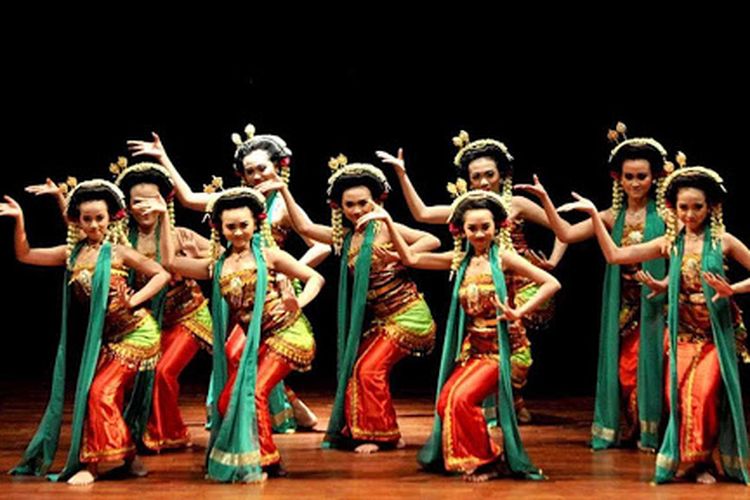
The Enigmatic Origins of Jaipong Dance: A Cultural Treasure of West Java


 Unveiling the Rich History and Origins of Jaipong Dance

Jaipong, a vibrant and captivating dance form, holds a special place in the hearts of the people of West Java, Indonesia. Known for its rhythmic movements, intricate hand gestures, and energetic music, Jaipong dance is a cultural treasure that has transcended time and boundaries. In this article, we embark on a journey to explore the enigmatic origins of Jaipong, shedding light on the rich history and cultural significance of this mesmerizing art form.

1. The Birth of Jaipong: A Fusion of Traditions

Jaipong dance is believed to have originated in the Sundanese communities of West Java, Indonesia, in the late 1960s. Its creation is often attributed to the talented artist H. Suanda, who is said to have drawn inspiration from a range of traditional dance forms, including Srimpi, Ketuk Tilu, and Tari Topeng. With a desire to create something unique and vibrant, Suanda fused elements from these traditional dances, along with influences from West Javanese folk dances, into what would become Jaipong.

2. The Name Jaipong: A Symbolic Coinage

The name "Jaipong" itself is a portmanteau of two words: "Jai" and "Pong." "Jai" is thought to be derived from the Sundanese word "jahe," meaning ginger, which is believed to symbolize the dance's fiery and dynamic nature. "Pong" may have been inspired by the sound of a metal plate striking a surface, signifying the rhythmic beats that are integral to Jaipong dance.

3. A Revolution in Traditional Dance

Jaipong was a revolutionary departure from the more traditional Sundanese dance forms. It broke free from the rigid conventions of classical dance, introducing improvisation, expressive movements, and a greater emphasis on sensuality. This transformation resonated with the younger generation, leading to Jaipong's widespread popularity.

4. The Role of Kembang Gadung

The village of Kembang Gadung in West Java played a pivotal role in the development and popularization of Jaipong dance. It became a breeding ground for Jaipong artists and choreographers, nurturing the talents of both dancers and musicians. The emergence of Kembang Gadung as a cultural hub helped solidify Jaipong's place in the region's artistic landscape.

5. Jaipong's Musical Accompaniment: The Gamelan Ensemble

Jaipong dance is inseparable from its musical accompaniment, known as the Gamelan ensemble. The Gamelan ensemble consists of a variety of traditional Indonesian musical instruments, including the kendang (drum), suling (flute), rebab (stringed instrument), and gong. The rhythmic interplay between the dancers and musicians creates the distinctive soundscape that defines Jaipong.

6. Evolution and Modernization

Over the years, Jaipong has evolved and adapted to changing cultural norms and preferences. While it maintains its core elements, modern Jaipong often incorporates contemporary themes and costumes. The dance has also gained international recognition, with performances at cultural festivals and events around the world.

7. Cultural Significance and Preservation

Jaipong is not just a form of entertainment; it carries deep cultural significance for the Sundanese people. It is often performed at significant life events, such as weddings and harvest festivals, where it serves as a symbol of joy and community. Efforts are being made to preserve and promote Jaipong as part of Indonesia's cultural heritage.

8. The Global Influence of Jaipong

Jaipong's infectious energy and expressive movements have transcended borders and influenced other dance forms and genres. Its impact can be seen in contemporary Indonesian pop music, as well as in the broader world of dance, where its elements have inspired choreographers and performers worldwide.

9. Challenges and Revival

In recent years, Jaipong has faced challenges in maintaining its authenticity and popularity in the face of globalization and changing cultural tastes. However, there are ongoing efforts by cultural organizations, artists, and enthusiasts to revitalize and ensure the continued existence of Jaipong as a vibrant and cherished part of Indonesia's cultural heritage.

10. A Timeless Treasure

In conclusion, Jaipong dance is a testament to the creativity and dynamism of Indonesian culture. Its origins may be relatively recent, but its impact has been profound, both within Indonesia and on the global stage. As a fusion of traditions, a symbol of cultural pride, and a celebration of life's joys, Jaipong dance continues to mesmerize audiences and inspire new generations of artists. It stands as a timeless treasure that embodies the spirit and vitality of West Java's cultural heritage.

10 Best Fishing Locations in Indonesia

Indonesia, with its vast archipelago of over 17,000 islands, offers an abundance of fishing opportunities for both recreational and professi...